WSU PD police badge

The Wichita State University Police Department wants to remind Shockers to stay vigilant of scammers. Make sure you’re informed of the telltale signs of scammers:

  • The police will never notify an individual over the phone that they have a warrant for their arrest. Additionally, the police or legitimate companies will never demand payment over the phone through cryptocurrency, such as Bitcoin, or through gift cards.
  • Do not share personal or financial information over the phone unless you are certain of the caller’s identity. If you are ever concerned a caller may be a scammer, hang up and find a phone number from a trusted source, such as an official website or phonebook, and call back to confirm their identity.
  • Make sure to reach out to law enforcement if you have been contacted by a scammers or have fallen victim to them. WSUPD can be contacted at 316-978-3450, and the Wichita Police Department can be contacted by dialing 911. You can also file a police report to the Wichita Police Department by calling 316-268-4221.

And share this information with your friends and family so they know to not engage with potential scammers. WSUPD is here to help the campus community stay safe and hopes that everyone can help keep their peers safe from scammers. If you have questions, email WSUPD at police@wichita.edu.

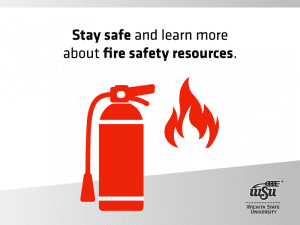
Graphical fire hydrant and flame with the text stay safe and learn more about fire safety resources

Wichita State University is committed to the safety of its campus community and provides fire safety resources to help Shockers stay safe on and off campus.

Learn more and find resources on how to stay safe on the Fire & Safety Office webpage, including information on:

  • Working with open flames, heat or sparks
  • Proper use of extension cords
  • Restrictions for potentially dangerous decorations
  • Proper use of fireworks and other pyrotechnics
  • WSU’s commitment to a tobacco free campus
  • How to use fire extinguishers in the case of an emergency
  • Filling out a permit to host a grilling activity
  • The prohibition on the use of portable space heaters
  • The potential fire hazards of battery powered mobility devices
  • General advice on fire safety off campus
  • Keeping corridors free of storage and equipment for emergency evacuations

For more information or questions, contact the Office of Environmental Health and Safety.

WSU PD police badge

The University Police Department wants to remind students, staff, faculty and partners about the appropriate channels for reaching emergency services while they’re on campus.

If you are on campus with a phone:

Calling UPD directly at 316-978-3450 is ideal for getting immediate assistance. Calling 911 will connect you with Sedgwick County and could result in longer wait times for responders.

If you are on campus without access to a phone:

Use one of the many emergency telephones across campus, which are identifiable by the blue light located atop them. These phones connect straight to UPD, and even if you are unable to talk to the dispatcher, an officer will be sent to the location. You can view the locations of all emergency phones on campus through the campus map.

Other resources:

Campus emergency? Call 316-978-3450. See Something? Say Something.
WSU PD police badge

Remember that the University Police Department is available 24/7 on campus during emergencies. If you see something, say something by calling UPD at 316-978-3450. Add the number to your contacts list so you always have immediate access to emergency services.

The University Police Department is here to support students and ensure they feel safe and supported on campus.

While squirrels and other wildlife are a familiar sight on campus, leaving food out for them can attract pests and other unwelcome visitors. The university encourages the community to help maintain a safe and sustainable campus environment.

What you can do to help:

  • Avoid feeding the animals on campus: Let wildlife take advantage of the natural nutrients across campus, as additional feeding can attract unwelcome pests or large animals. These animals can disrupt campus activity, especially after hours, or the natural ecosystem.
  • Support wildlife by letting nature take the lead: Campus wildlife like squirrels have natural instincts and seasonal behaviors that help them thrive. Interfering can disrupt these patterns and may lead to dependency on humans or poor health. Observe and appreciate wildlife from a distance to help them remain safe and self-sufficient.
  • Keep our campus spaces and artwork clean: Help preserve the beauty and integrity of campus by keeping shared spaces clean and free of food waste. Food left out can lead to damage of benches, gardens, landscaping and outdoor sculptures from the Ulrich Museum of Art as pests and other animals are attracted to campus.

Thank you for your help keeping our campus safe, not just for us, but also for the local wildlife, where they can thrive in their natural habitats.

Campus emergency? Call 316-978-3450. See Something? Say Something.

Remember that the University Police Department is available 24/7 on campus during emergencies.

WSU PD police badge

See something? Say something: Call UPD at 316-978-3450 for emergencies on campus. Calling 911 while on campus will connect you to Sedgwick County dispatch, which could result in delays from responders. Add 316-978-3450 to your contacts list so you always have immediate access to emergency services on campus.

If you are away from a phone, you can use one of the many emergency phones on campus, which you can find the locations of through the campus map (wichita.edu/map) under “Campus Safety.”

The University Police Department is here to support students, employees and visitors and ensure they feel safe on campus.

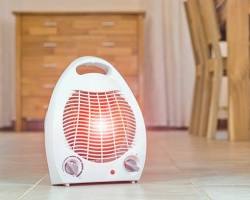
Photo of a space heater

As the weather cools and everyone seeks ways to stay warm, it’s crucial to remember that space heaters are prohibited on the Wichita State’s campus. This policy is in place to ensure the safety of students, faculty, staff and visitors.

WSU Policy and your safety

The prohibition of space heaters is outlined in WSU Policy 11.20, “Space Heaters.” This policy specifies that the use of personal, electrical, portable heating devices is not permitted in any campus building. This is due to the significant fire hazard they pose, as well as the potential to overload electrical circuits. Space heaters are one of the leading causes of home fires and can be particularly dangerous in an academic setting with many people and valuable equipment.

Additionally, WSU Policy 11.27, “HVAC Systems Standards,” dictates that the campus’s heating, ventilation and air conditioning (HVAC) systems are designed to maintain a comfortable temperature throughout the year. The use of personal space heaters can disrupt the balance of these systems, leading to inefficient heating for the entire building. The Facilities Services team works diligently to ensure that the campus climate is well-regulated for everyone’s comfort and safety.

Dress for success and warmth

Some areas may feel cooler than others so it’s encouraged that everyone dress in layers to stay comfortable. A sweater, a jacket or a cozy scarf can make all the difference. Remember to bring a warm layer with you, especially if you have an early morning class or a late-night study session.

If you believe a room’s temperature is a consistent issue, do not hesitate to report it. You can submit a service request to Facilities Services through its online portal. By working together, we can ensure a safe and comfortable environment for everyone at WSU.


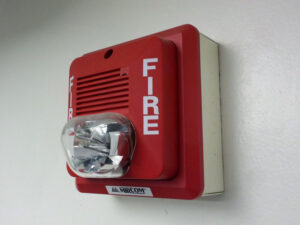
Fire alarm strobe light.

WSU Fire Safety and its vendor will conduct required annual fire alarm inspections and testing starting at 5 p.m. each evening. Testing will continue through the remainder of September or until all the fire alarm systems have been tested. Testing for most buildings will be done during the evening and overnight hours. There is no schedule for when a building will be tested. Only state-owned buildings will be tested.

Every effort will be made not to disrupt any business or classes; however, the fire alarm system could go off. Unless told otherwise by Fire Safety, follow your evacuation procedures and do not re-enter the building until you are told you can do so.

During the inspection, personnel will be entering all rooms, including labs and offices. Please secure any valuables and sensitive documentation.

Any questions can be emailed to Scott Murray at scott.murray@wichita.edu and Dennis Moore at dennis.moore@wichita.edu.

Fire alarm strobe light.

WSU Fire Safety and its vendor will conduct required annual fire alarm inspections and testing starting at 5 p.m. Sunday, Sept. 7. Testing will continue through the remainder of September or until all the fire alarm systems have been tested. Testing for most buildings will be done during the evening and overnight hours. There is no schedule for when a building will be tested. Only state-owned buildings will be tested.

Every effort will be made not to disrupt any business or classes; however, the fire alarm system could go off. Unless told otherwise by Fire Safety, follow your evacuation procedures and do not re-enter the building until you are told you can do so.

During the inspection, personnel will be entering all rooms, including labs and offices. Please secure any valuables and sensitive documentation.

Any questions can be emailed to Scott Murray at scott.murray@wichita.edu and Dennis Moore at dennis.moore@wichita.edu.

WSU Fire Safety would like to remind all students, faculty and staff to keep egress corridors clear at all times.

The International Fire Code, the code adopted by the State of Kansas, requires that corridors/halls be clear and unobstructed for safe exiting during an emergency.

These areas are designated as “means of egress,” meaning they are a continuous and unobstructed path for occupants to exit a building during an emergency. Obstructions can impede evacuation, especially for individuals with disabilities, and can also hinder emergency responders.

Items commonly seen in corridors around campus include excess chairs from classrooms, unwanted furniture, backpacks, drinking cups, shoes, scooters, skateboards and many other items.