Evan Ohlman

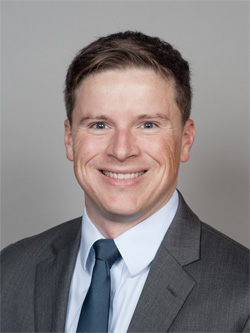
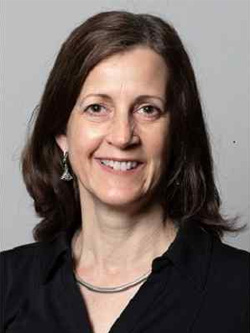
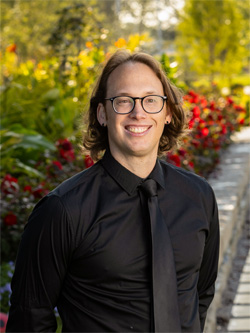
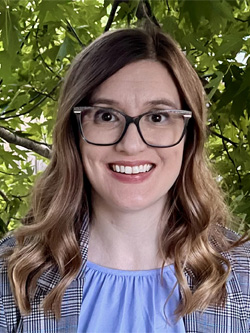
Dr. Evan Ohlman, Department Chair and Program Director – Department of Physician Associate, published “Resident-led seminar and workshop on airway management for physician assistant students: Evaluating efficacy and memory retention.” in Journal of Physician Assistant Education Jan. 21

Abstract: Introduction: Physician assistants (PAs) should understand the implications and risks involved with airway management. Our study aimed to facilitate PA students’ familiarity with airway management with instruction from anesthesiology residents. We assessed the students’ knowledge of airway management both before and after a seminar to see if knowledge was retained. Methods: Physician assistant students participated in a seminar (didactic lecture and a hands-on workshop) on airway management led by anesthesiology residents. The students took a true-false pretest and repeated the test following the seminar. After four months, the students repeated the same true-false test to assess retention. We used Friedman test to analyze differences between the pretest, posttest, and retention tests, as well as performed an itemized analysis on the questions. Results: The students showed a significant difference between the pretest and posttest ( P < 0.001) and between the pretest and retention test ( P = 0.006). Students performed better per question on the retention test compared with the pretest, except for a question related to an indication for intubation (Z score = -2.757; P = 0.006). Discussion: Our results demonstrated that educating PA students in airway management with anesthesia resident direction resulted in a statistically significant increase in their knowledge on the topic four months after the training. Interactive learning seems beneficial for gaining knowledge on the basic principles of airway management.

Stephen Lewia

Dr. Stephen Lewia, Assistant Professor and Director of Clinical Education – Department of Physician Associate, published “Characteristics and career effect on PA graduates of a doctor of medical science program” in Journal of the American Academy of Physician Associates (JAAPA) Jan. 14.

Abstract: Objective: This study examined the characteristics and effect of a doctoral degree on career metrics of physician associate/assistant (PA) graduates. Methods: This was a comparative analysis study of doctor of medical science (DMSc) program graduates. Characteristics from this survey were compared with program data and the National Commission on Certification of Physician Assistants Statistical Profile of Board Certified PAs for 2022. Results: Graduates self-reported that the DMSc degree was beneficial for receiving raises, promotions, and new leadership positions. Conclusions: The DMSc degree was considered a positive career benefit by graduates.

Gina Brown

Gina Brown, Associate Professor – Department of Physician Associate, published “A review of Prader-Willi syndrome” in Journal of American Academy of Physician Associates (JAAPA) Feb. 15.

Abstract: Prader-Willi syndrome is a rare and complex genetic disorder with multiple physical and behavioral characteristics, affecting endocrine, metabolic, and neurologic systems and producing a plethora of medical complications. Early identification and diagnosis are paramount to providing timely and appropriate interventions to improve patient outcomes. Treatment should focus on neonatal feeding and growth, followed by hormonal therapy for hypothalamic dysfunction, and should then be directed at the prevention and treatment of obesity and obesity-related complications. Effective treatment requires a comprehensive multidisciplinary approach.

Brent Ehresman and B.J. Lehecka

Dr. Brent Ehresman, Assistant Director of Clinical Education/Assistant Teaching Professor, and Dr. B.J. Lehecka, Professor – Department of Physical Therapy, published “Improved Hip Flexibility and Gluteal Functioning Following a Daily Lunge-and-Reach Stretching Intervention” in International Journal of Sports Physical Therapy June 1.

Abstract: Background: A sedentary lifestyle contributes to hip flexor tightness. Some evidence suggests that tight hip flexors may contribute to impairments in gluteal function. Purpose: The purpose of this study was to determine the effects of a daily lunge-and-reach stretching program on hip flexor length and gluteus maximus strength, power, and endurance in healthy college-aged adults. Study Design: Cohort Study. Methods: Twenty-three participants with hip flexor tightness (15 females, 8 males; average age 24.0 ± 2.58 years) totaling 46 limbs were tested. Twelve participants were randomly assigned to the experimental group, while the remaining eleven were placed in the control group. Hip flexor length was measured with the Modified Thomas Test using an inclinometer. Gluteal power was measured on each lower extremity using a single-leg broad jump for distance with a tape measure. Gluteal strength was measured with prone hip extension using a handheld dynamometer and luggage scale. Gluteal endurance was measured with a single-leg bridge using a stopwatch. Participants in the intervention group performed five minutes of a lunge-and-reach stretch daily for six weeks. Results: Statistically significant changes were found for the Modified Thomas Test (mean change 5.92 ± 3.73 deg, p=0.01) and single-leg broad jump for distance (mean change 12.39 ± 11.23 cm, p=0.02) for the intervention group. No significant change was found for gluteal strength or single-leg bridge endurance (p=0.23 and p=0.26, respectively) for the intervention group. All measurements demonstrated high reliability (ICC=0.92-0.99). Conclusion: These results suggest that the lunge-and-reach stretch can be used to improve hip flexor length and gluteal power in a young, healthy population. Clinicians, coaches, and athletes may find these improvements beneficial for rehabilitation or performance.

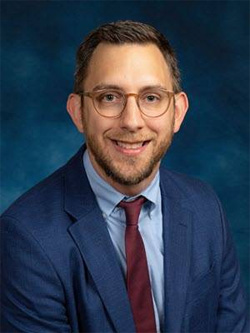
Justin Smith

Dr. Justin Smith, Assistant Professor – Department of Physical Therapy, published “The effectiveness of a geriatric simulation suit for improving empathy and simulating the aging process for older adults in a DPT program: A pilot study.” in Gerontology & Geriatrics Education June 4.

Abstract: Enhancing empathy toward older adults among physical therapy students is essential to prepare graduates to be equipped to properly treat geriatric patients in all types of healthcare settings. This pilot study evaluated the effectiveness of a homemade geriatric suit to simulate an older adult and improve empathy among physical therapy students. The Jefferson Scale of Empathy for Health Professions student version was utilized to measure empathy-related parameters before and after the geriatric simulation experience. Physical and cognitive performance tests were used to assess the effectiveness of the geriatric suit to simulate typical age-related changes in physical and cognitive performance. Additionally, sociodemographic data were collected such as age, gender and prior experience working with older adults. Following the geriatric simulation suit experience, participants did not demonstrate statistically significant post-intervention empathy scores on the Jefferson Empathy Scale (t = 2.09, p = 0.022). However, patients did demonstrate similar physical scores when compared with older adult norms while wearing the geriatric simulation suit. The geriatric simulation suit experience effectively simulated the aging process, but did not significantly increase empathy in students. The homemade geriatric simulation suit may be a feasible and cost-effective way to simulate typical age-related physical changes in older adults.

Karissa Marble-Flint

Dr. Karissa Marble-Flint, Associate Professor, MA CSD (SLP) Program Coordinator – Communication Sciences and Disorders, published “Turning the Page: Midwest SLPs’ Lived Experiences Providing Literacy Services in Schools” in Seminars in Speech and Language June 5.

Abstract: School-based speech-language pathologists (SLPs) from four midwestern states were surveyed about their knowledge and confidence regarding literacy intervention. To obtain accounts of lived experiences, SLPs who completed the survey were invited to a follow-up interview. Fourteen SLPs completed interviews with a member of the research team via a recorded Zoom meeting. The interviews were approximately an hour long and each question was presented on a shared screen. Interview data were transcribed and then analyzed using thematic analysis. Five overarching themes emerged: (1) SLPs are responsible for language services to support student literacy; (2) barriers of time, administrator knowledge, and instructional tools that support SLP literacy instruction; (3) collaboration and training would improve confidence; (4) how multi-tiered systems of support and Title I impact SLP literacy services; and (5) the role of other team members in literacy services. Overall, SLPs know that they can play an important role in literacy assessment and intervention but are unsure of how their specific skills fit into the greater school context. Training may improve confidence in serving students with literacy needs differently from other service providers. Future work could explore partnerships between SLPs and other professionals to best serve students with literacy needs.

Collaborators Dr. Amy Peterson, Dr. Klaire Brumbaugh and Dr. Whitney Schneider-Cline

Caelin Bragg, Newsletter editor – Office of Strategic Communications, published “Lorem ipsum dolor sit amet” in Scientific Lorem Ipsum on 2025-06-10.

Abstract: Lorem ipsum dolor sit amet, consectetur adipiscing elit, sed do eiusmod tempor incididunt ut labore et dolore magna aliqua. Ut enim ad minim veniam, quis nostrud exercitation ullamco laboris nisi ut aliquip ex ea commodo consequat. Duis aute irure dolor in reprehenderit in voluptate velit esse cillum dolore eu fugiat nulla pariatur. Excepteur sint occaecat cupidatat non proident, sunt in culpa qui officia deserunt mollit anim id est laborum.

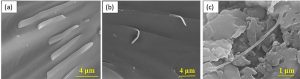
Scanning Electron Micrographs of the fractured surfaces of nanocomposites test specimens, showing fiber breakage, pull-out, and bridging effects of the FHCNTs reinforcements.

The research conducted by Dr. Davood Askari and his research team in the Multifunctional Nanocomposite Lab of the Department of Mechanical Engineering was published in the prestigious Journal of Composite Materials late January 2025.

In the research, Dr. Askari’s patented technologies were utilized to covalently functionalize helical carbon nanotubes (FHCNTs) and then they were used as a novel nanoscale reinforcement to enhance the mechanical properties and multifunctional characteristics of the polymeric composites. The main objective of this published research was to investigate the effects of chemical functionalization process parameters and weight percentage inclusion of the FHCNTs on the mechanical properties and performance of the polymeric nanocomposites.

Dr. H. Edward Flentje, professor emeritus and former director of the Hugo Wall School of Public Affairs, and Dr. Chase Billingham, associate professor and graduate program coordinator in the Department of Sociology in the Fairmount College of Liberal Arts and Sciences, recently cowrote a new foreword for Dr. Flentje’s 1984 article, “The Political Roots of City Managers in Kansas,” which was featured in the fall 2024 Kansas History.

The original article from Dr. Flentje researched the origins of the manager form of government in cities across Kansas, including Wichita, in the early 1900s. The implementation of the manager plan, despite its promise of nonpartisanship, became highly politicized and faced substantial resistance. The new foreword from Drs. Flentje and Billingham provides further context to the research and how it fits in with the greater understanding of urban historical scholarship in Kansas.

Dr. Zelalem Demissie, assistant professor in the Department of Geology in the Fairmount College of Liberal Arts and Sciences, was recently interviewed by Kansas National Science Foundation Established Program to Stimulate Competitive Research (NSF EPSCoR), discussing his research on droughts.

Dr. Demissie received the Kansas NSF EPSCoR First Award in fall 2023 for his research in using radar imaging from satellites and AI to detect early warning signs of drought in Kansas. The First Awards recipients receive up to $50,000 to support their research.